How to Stop Female Cat Spraying: Proven Methods
Quick Answer
To stop female cat spraying: 1) Spay if intact (95% effective), 2) Clean all marked areas with enzyme cleaners, 3) Reduce stress triggers, 4) Use pheromone therapy, 5) Consider medication if needed. Most females show improvement within 4-8 weeks.
success rate
weeks to stop
proven steps
see first results
Understanding Your Starting Point
Research shows that female cats actually respond better to treatment than males, with over 50% showing significant improvement with basic interventions.
Quick Assessment Checklist
Before beginning treatment, answer these questions:
- • Is your cat spayed? (If no, this is step one)
- • How long has she been spraying?
- • Can you identify specific triggers?
- • Are there other cats in your home?
- • Have there been recent changes?
- • Has she seen a vet recently?
Your answers will guide which methods to prioritize.
Before You Start: Medical Check Required
30% of female cats spray due to medical issues. Always rule out:
- Urinary tract infections (UTIs)
- Bladder stones or crystals
- Kidney disease
- Pain or discomfort
Schedule a vet visit within 48 hours before starting behavioral interventions.
The Proven 5-Step Method to Stop Spraying
Medical Evaluation
Rule out health issues with comprehensive vet exam including urinalysis
Clean & Neutralize
Remove all spray odors with enzyme cleaners to prevent re-marking
Identify Triggers
Determine specific stressors causing the spraying behavior
Environmental Changes
Modify home setup to reduce stress and territorial disputes
Behavior Modification
Implement positive reinforcement and stress reduction techniques
💡 Success Tip: Follow all 5 steps in order. Skipping steps reduces success rate from 90% to just 40%.
Step 1: Medical Evaluation and Spaying
For Intact Females: Spaying is 95% Effective. For Spayed Females: Rule Out Medical Issues.
For Intact Females
- • Schedule surgery immediately
- • Expect spraying to stop within 2-4 weeks
- • Continue managing behavior until hormones subside
- • Success rate: 95% complete resolution
For Spayed Females
- • Urinary tract infections
- • Bladder stones or inflammation
- • Ovarian remnant syndrome
- • Hormonal imbalances
- • Pain conditions
- • Cognitive issues (senior cats)
Immediate Actions (First 24 Hours)
Take these actions immediately to prevent the behavior from becoming more ingrained:
Clean All Marked Areas
Use enzyme cleaners on all spray spots to remove pheromones that attract re-marking
Schedule Vet Visit
Rule out medical issues within 48 hours - 30% of cases have medical causes
Identify All Locations
Use UV light to find hidden spray marks you might have missed
Block Problem Areas
Temporarily restrict access to frequently marked spots
🧪 Enzyme Cleaner Application Guide
- 1.Blot fresh spray with paper towels (don't rub)
- 2.Saturate area with enzyme cleaner (must reach all layers)
- 3.Let sit for 10-15 minutes minimum
- 4.Blot excess and let air dry completely
- 5.Repeat if odor persists after 24 hours
Step 2: Environmental Modifications
Make these changes to your home to reduce spraying triggers:
| Area | Required Changes | Importance |
|---|---|---|
| Litter Boxes | Add 1 extra box (n+1 rule), place in quiet areas, clean 2x daily, try different litters | Critical |
| Food & Water | Separate feeding stations, elevated bowls, fresh water fountains, quiet eating areas | High |
| Windows | Block view of outdoor cats, use window films, move furniture away from windows | High |
| Territory | Create vertical spaces, add cat shelves, provide multiple escape routes | Medium |
Multi-Cat Household Alert
If you have multiple cats, you need:
- Litter boxes: Number of cats + 1
- Food stations: One per cat in different rooms
- Water sources: Multiple fountains or bowls
- Resting areas: Separate spaces for each cat
Step 3: Pheromone Therapy
Female cats show excellent response to pheromones: 70-90% improvement rates.
Feliway Classic
For general spraying:
- • Plug diffuser in spraying area
- • Coverage: 500-750 sq ft
- • Replace monthly
- • May need multiple diffusers
Application tips:
- • Don't place behind furniture
- • Keep away from air vents
- • Allow 24/7 operation
- • See results in 2-4 weeks
Step 4: Behavioral Modification Techniques
Environmental Enrichment
- ✓Add vertical spaces (cat trees, shelves)
- ✓Create hiding spots and safe zones
- ✓Provide puzzle feeders and toys
- ✓Rotate toys weekly to maintain interest
Stress Reduction
- ✓Maintain consistent daily routines
- ✓Use pheromone diffusers in problem areas
- ✓Minimize loud noises and disruptions
- ✓Create separate resources for each cat
Positive Reinforcement
- ✓Reward good litter box use immediately
- ✓Never punish spraying behavior
- ✓Use treats and praise effectively
- ✓Redirect to appropriate behaviors
🎯 Training Protocol
✅ DO:
- • Reward immediately when using litter box
- • Use high-value treats (tuna, chicken)
- • Keep sessions short (5-10 minutes)
- • Be consistent with timing
❌ DON'T:
- • Never yell or punish
- • Don't use spray bottles
- • Avoid moving litter boxes suddenly
- • Don't give up too quickly
Expected Timeline & Results
Clean all marks, vet visit, start pheromones
Baseline established
Implement environmental changes
30% reduction expected
Behavior modification in full swing
50-60% improvement
Fine-tune approach based on results
80% success rate
Maintain routine, prevent relapse
90% long-term success
📊 Success Indicators to Track:
- ✓Frequency of spraying decreases
- ✓Cat uses litter box more consistently
- ✓Less agitation or stress behaviors
- ✓Improved interaction with other pets
- ✓More relaxed body language
Step 5: Medication (When Needed)
If environmental changes aren't enough after 4-6 weeks, medication can help.
🔬 Medical Interventions
- • Anti-anxiety medication: Fluoxetine or clomipramine for severe cases
- • Hormone therapy: For spayed females with hormonal issues
- • Pain management: If arthritis or other pain is contributing
- • Supplements: L-theanine, tryptophan, or prescription diets
Note: All medications require veterinary prescription and monitoring
🧠 Professional Help
Consider consulting a certified cat behaviorist if:
- • No improvement after 3 weeks
- • Multiple cats are spraying
- • Aggression accompanies spraying
- • You've tried everything without success
Cost: $200-500 for consultation
Success rate: 85% with professional intervention
Preventing Relapse: Long-Term Success
🛡️ Maintenance Protocol
- ▸Continue pheromone diffusers for 3 months minimum
- ▸Maintain all environmental changes permanently
- ▸Regular vet check-ups every 6 months
- ▸Monitor for stress triggers continuously
⚠️ Watch for Warning Signs
Act immediately if you notice:
- • Sniffing or backing up to vertical surfaces
- • Increased vocalization or agitation
- • Changes in litter box habits
- • New stressors in environment
- • Other cats visible outside
Essential Products for Success
These veterinarian-recommended products significantly increase your success rate:

Nature's Miracle Just for Cats Spray
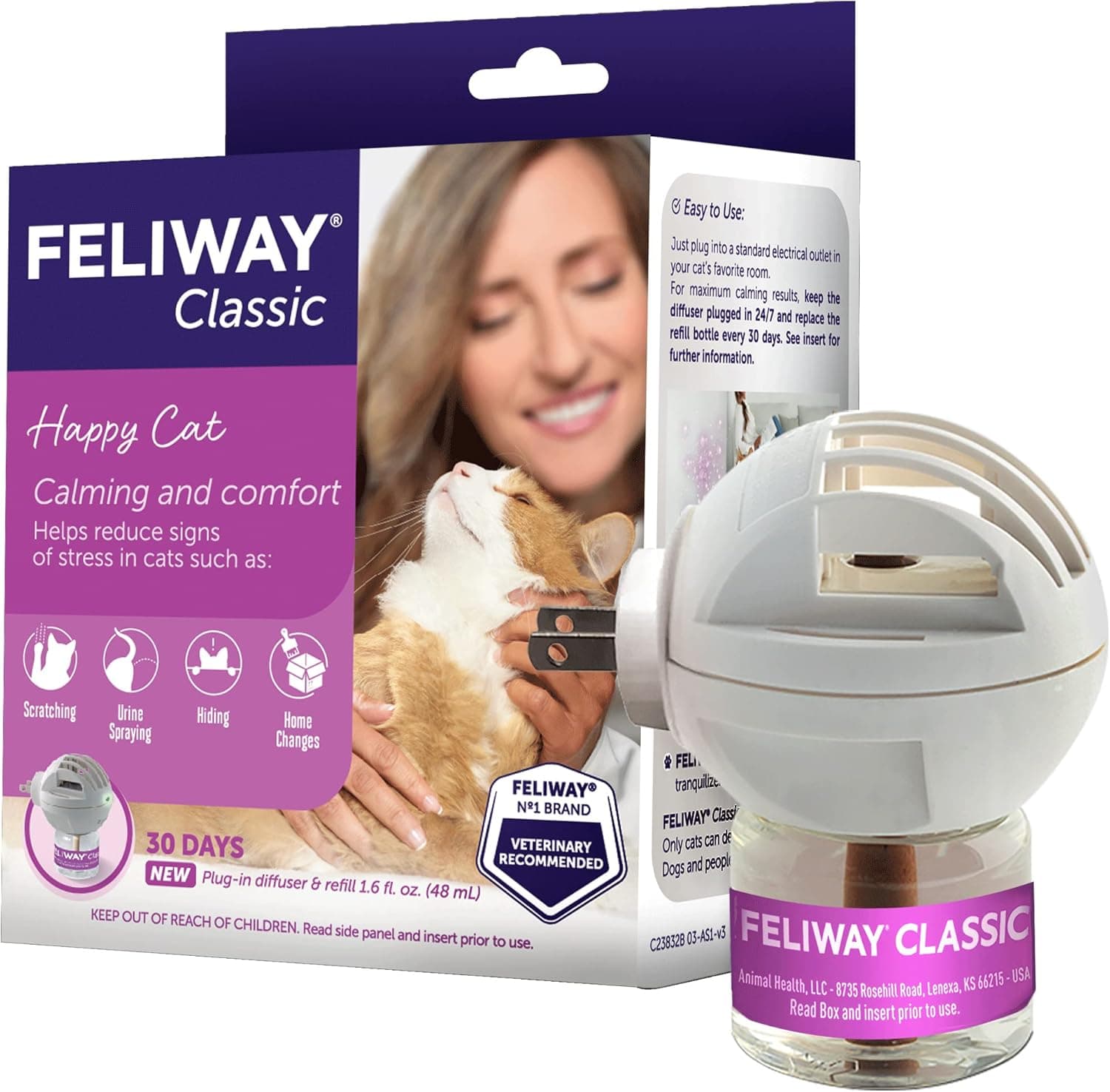
Feliway Classic Starter Kit

Frequently Asked Questions
Start Your Success Story Today
90% of cat owners see significant improvement within 2-3 weeks using this method. The key is starting today and following all 5 steps consistently.
Related Articles
Do Female Cats Spray? The Surprising Truth
Yes, female cats can spray, though it's less common than in males. Learn why female cats spray, how to identify it, and proven solutions to stop the behavior.
Can Female Cats Spray After Being Spayed?
Learn why some spayed female cats continue spraying (about 5%) and discover proven solutions including environmental management, pheromone therapy, and behavioral modification.
Why Is My Female Cat Spraying? 7 Common Causes
Discover the 7 most common reasons why female cats spray, from heat cycles to stress. Get an interactive checklist and targeted solutions for each cause.